How Strategic Reverse Logistics Transforms Customer Returns in the UK

In today’s fast-paced e-commerce landscape, businesses must look beyond traditional supply-chain models and embrace smarter, more efficient ways of managing returns. As online shopping continues to grow, so does the complexity of managing reverse logistics UK processes. Retailers and marketplace sellers are under increasing pressure to process returns quickly, reduce losses, and maintain customer satisfaction—all while controlling operational costs. This is where a well-structured approach to reverse logistics services becomes vital.
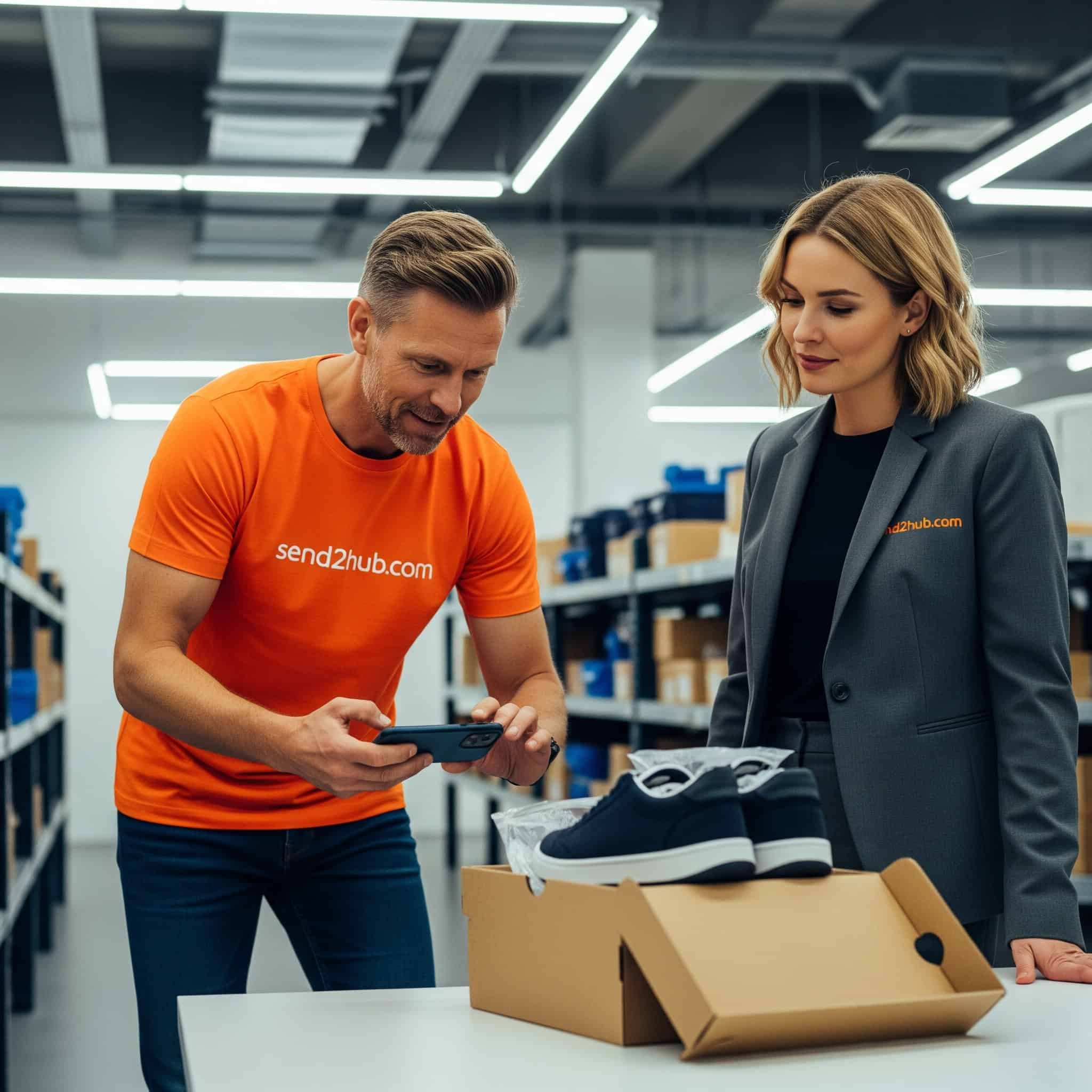
For many brands, returns are no longer an afterthought—they are a defining factor in the customer experience. Whether dealing with direct-to-consumer sales or managing UK customer returns from major online marketplaces, a streamlined system can dramatically improve profitability and trust. At the same time, companies working with platforms like Amazon recognize the growing importance of specialized amazon reverse logistics strategies that cater to marketplace standards and buyer expectations.
A forward-thinking reverse logistics process must be designed to handle everything from product assessment to refurbishment, repackaging, and restocking. Efficient handling returns workflows allow businesses to recover value from returned merchandise instead of treating it as a loss. This drives sustainability and boosts long-term operational efficiency. Solutions like these are especially critical in the UK, where rising buyer demand and high competition require fast, reliable, and customer-focused operations built into UK reverse logistics frameworks.
One of the challenges many marketplace sellers face is setting up a dependable UK returns address for marketplace sellers. International sellers, in particular, often struggle to provide a UK-based return point that can sort, inspect, and redirect stock efficiently. Without this capability, returns become slow, costly, and prone to errors. A localized returns infrastructure is no longer optional—it is essential for remaining competitive and keeping customers satisfied.
This is where companies such as Send2Hub bring critical value to the market. With dedicated resources and specialized processes, they support businesses in transforming returns into opportunities. Many sellers also find it advantageous to partner with a full-service UK warehouse for reverse logistics, ensuring products are handled professionally at every stage. This kind of facility helps manage large volumes of returns while maintaining transparency and accuracy.
A strategic plan for reverse logistics solutions can reduce friction and enhance reliability. These solutions should cover inspection protocols, grading, bundling, refurbishment, environmentally responsible disposal, and full reporting. With these systems in place, companies gain better control over inventory and can reintegrate returned products into the supply chain more quickly.
Sophisticated reverse logistics services also include smart routing techniques, which ensure that every item is directed to the most cost-effective next step. Some products can be restocked and resold at full value, while others might be sent for repair, recycling, or liquidation. By using data-driven decision-making, businesses reduce waste and improve recovery rates.
High-performing UK e-commerce brands understand that reverse logistics is not just an operational requirement—it is a competitive edge. A seamless returns experience improves customer satisfaction and encourages stronger loyalty. In a market where consumers expect fast refunds and hassle-free returns, businesses must rise to the challenge with systems that support both speed and accuracy.
Companies entering the UK market—especially those without local infrastructure—often struggle with the complexities of cross-border returns. Without an efficient UK-based address, the process becomes expensive, slow, and prone to complications. A partner like Send2Hub can help bridge this gap by offering end-to-end support for businesses of all sizes, especially those relying on global marketplace networks.
Marketplaces such as Amazon maintain high performance expectations for sellers, which means having a robust amazon reverse logistics plan is no longer optional. Sellers must ensure their returns process meets Amazon’s standards for timelines, condition assessment, and restocking procedures. A professional returns management system helps sellers maintain account health, avoid penalties, and continue providing excellent service to buyers.
Looking ahead, the importance of reverse logistics UK operations will continue to grow. As customers become more environmentally conscious, brands must adopt more sustainable practices. Efficient returns processing not only reduces waste but also promotes circular supply-chain models that are beneficial for both the environment and business growth.
In conclusion, today’s e-commerce ecosystem demands smarter, faster, and more transparent reverse logistics solutions. Businesses equipped with the right tools and partners can transform returns from a cost burden into a strategic advantage. Whether you’re a local brand or an international marketplace seller, building a reliable structure for handling returns is essential for success. With the right infrastructure—such as a trusted UK warehouse for reverse logistics—you can streamline operations, increase customer satisfaction, and recover more value from every return.